

Blog
Types of Surgical Forceps: Names, Uses and Buying Guide

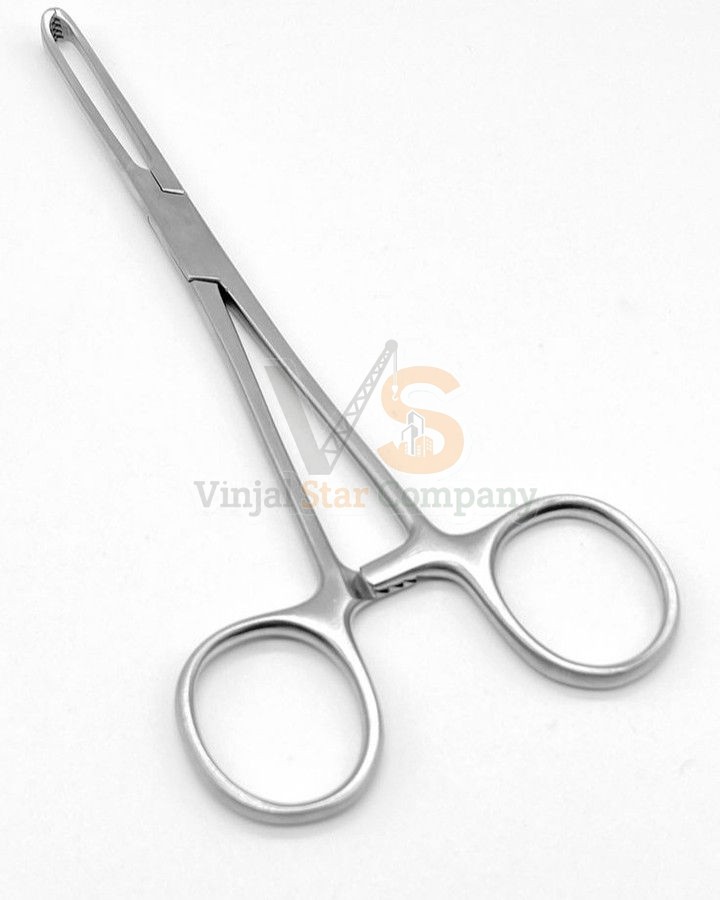
Types of Surgical Forceps: Names, Uses and How to Choose
Surgical forceps are among the most frequently used instruments in any operating room, clinic, or dental practice. From grasping delicate tissue to clamping blood vessels, the right forceps make procedures safer and faster. This guide covers the main types of surgical forceps, their names and uses, and how buyers and medical students can tell them apart.
What Are Surgical Forceps?
Surgical forceps are hinged, tweezer-like or plier-like instruments designed to grasp, hold, retract, or compress tissue during medical procedures. Most surgical forceps have a ratcheted locking mechanism (called the box lock) that keeps the jaws closed without continuous hand pressure, freeing the surgeon’s hands during the operation.
The Main Types of Surgical Forceps
1. Tissue Forceps (Grasping Forceps)
Tissue forceps grip and hold tissue during dissection and suturing. The Allis tissue forceps, with its 5×6 interlocking teeth, holds slippery or dense tissue firmly without crushing it. Adson tissue forceps are smaller and finer, with 1×2 teeth, and are widely used for closing skin and handling delicate tissue in plastic and general surgery.
2. Hemostatic Forceps (Hemostats)
Hemostatic forceps clamp blood vessels to stop bleeding. The Kelly forceps (available straight or curved) clamp larger vessels, while Crile forceps are slightly shorter and used for smaller vessels. Halsted mosquito forceps are the smallest hemostats, used for very fine vessels and delicate work.

3. Dressing Forceps and Thumb Forceps
These are non-locking, tweezer-style forceps used to hold dressings, gauze, and drapes, or to pick up tissue during suturing. They come with smooth, serrated, or toothed tips depending on the application.
4. Bone Holding Forceps
Used in orthopedic surgery to grip and stabilize bone fragments during reduction and fixation. Examples include Verbrugge bone holding forceps and self-centering reduction forceps. See our orthopedic instruments range.
How to Choose the Right Forceps
- Jaw design: toothed jaws grip firmly but can damage delicate tissue; smooth or serrated jaws are gentler.
- Size and length: match the depth of the surgical site. Deeper cavities need longer instruments.
- Locking vs non-locking: locking (ratcheted) forceps hold vessels hands-free; thumb forceps give finer manual control.
- Material and finish: quality stainless steel with a proper satin or mirror finish resists corrosion through repeated autoclave cycles.
- Jaw alignment: the tips should meet precisely. Even a small misalignment makes the instrument unreliable.
Caring for Surgical Forceps
Rinse instruments promptly after use, clean in an ultrasonic cleaner or washer-disinfector, inspect the box lock and jaw alignment, and sterilize by autoclave. Proper care extends instrument life dramatically and keeps performance consistent. Browse quality forceps in our shop.
Frequently Asked Questions
What is the difference between Kelly and Crile forceps?
Kelly forceps are slightly longer with half-length serrations on the jaws, used for larger vessels. Crile forceps are shorter with full-length serrations, suited to smaller vessels and more delicate clamping.
What are Allis forceps used for?
Allis tissue forceps grasp and hold tissue, fascia, or tendon during surgery. Their interlocking teeth provide a secure grip on dense or slippery tissue.
What is a hemostat?
A hemostat (hemostatic forceps) is a locking forceps used to clamp blood vessels and control bleeding during surgery. Kelly, Crile, and Halsted mosquito forceps are the most common types.
How do I know if forceps are good quality?
Check that the jaws align perfectly, the ratchet locks smoothly in all positions, the finish is even with no pits or rough spots, and the steel feels balanced in hand. Always test samples before bulk buying.
Can forceps be customized with my logo?
Yes. Manufacturers offering OEM service can laser-mark your brand on the instruments. Ask about private-label options.
Choosing Forceps with Confidence
Understanding the types of surgical forceps, their names and uses, helps you buy smarter and work better. Whether you are a student learning instrument names or a distributor building a catalog, start with quality basics: correct jaw design, precise alignment, and durable steel.
Vinjal Star manufactures surgical, dental, and orthopedic instruments in Sialkot, Pakistan, supplying distributors worldwide at wholesale prices. Contact us at info@vinjalstar.com for a price list and samples.