

Blog
Types of Surgical Instruments: Names, Uses & Pictures (Complete Guide)

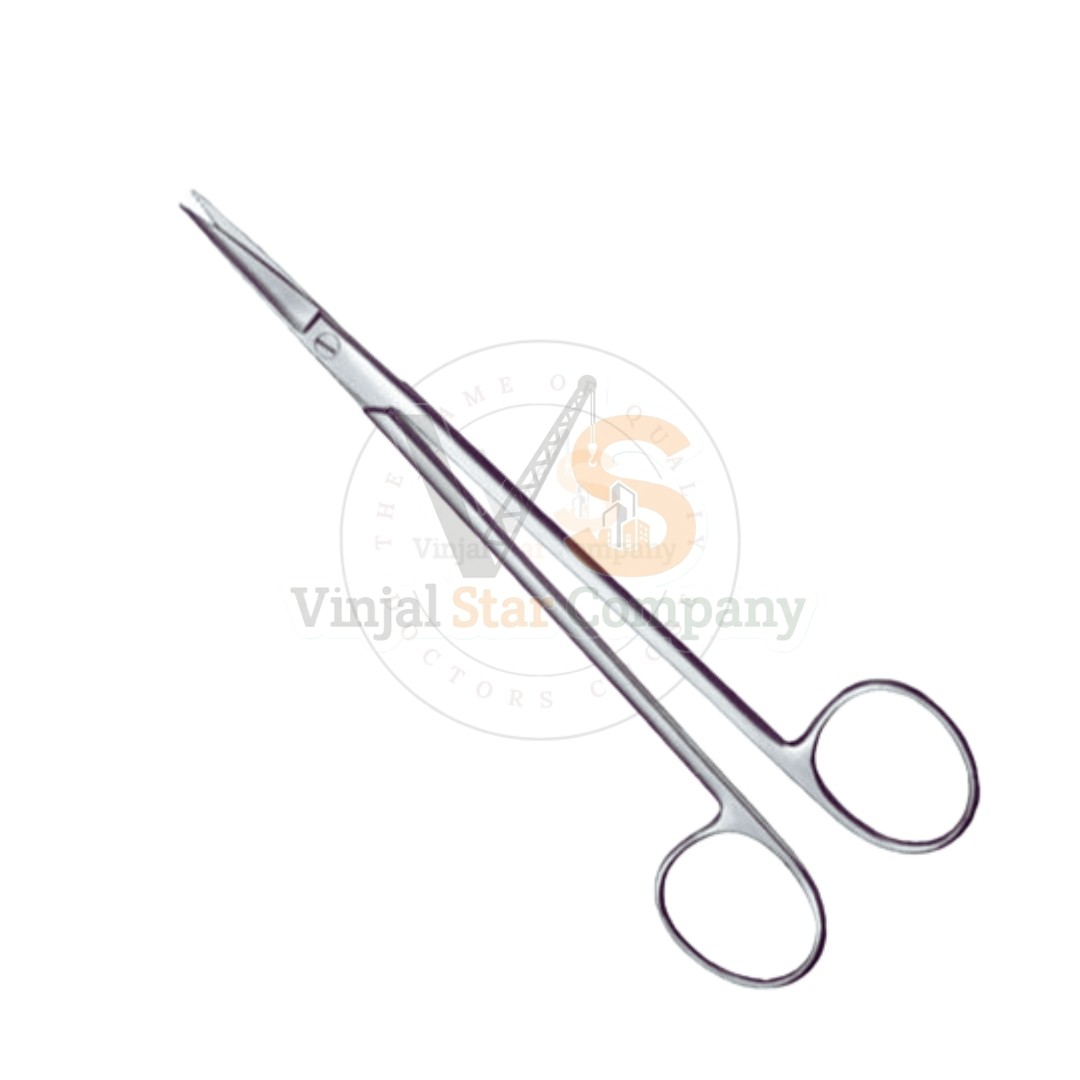
Whether you are a medical student, a distributor, or a hospital procurement officer, understanding the types of surgical instruments is the foundation of safe surgery and smart purchasing. Every procedure — from a simple suture to complex orthopedic surgery — depends on the right tool being in the surgeon’s hand at the right moment.
In this complete guide, we walk through the major types of surgical instruments, their names, and what each one is used for — plus practical buying tips for distributors sourcing wholesale.
How the Types of Surgical Instruments Are Classified
Surgeons and manufacturers group instruments by function rather than by shape. The same classification is used in catalogs worldwide, which makes it easier for buyers to compare products across suppliers. The main functional families are:
- Cutting and dissecting instruments – scalpels, scissors
- Grasping and holding instruments – forceps, needle holders
- Hemostatic instruments – clamps that control bleeding
- Retractors – instruments that hold tissue aside
- Specialized instruments – orthopedic, dental, ENT, and others
Let’s look at each family in detail.
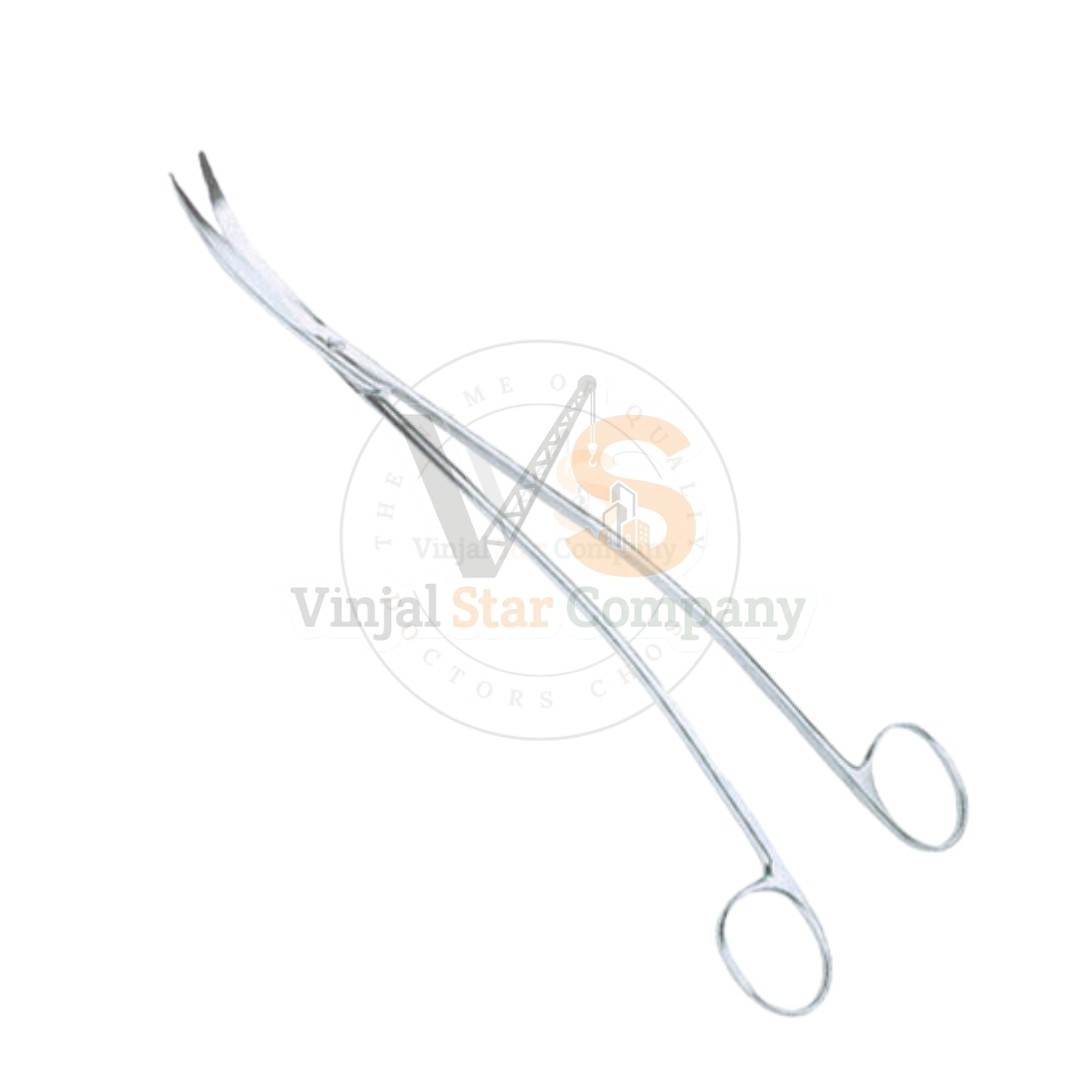
Types of Surgical Instruments #1: Cutting and Dissecting
Cutting instruments do exactly what the name suggests: they cut tissue, suture material, and dressings.
Scalpels are the most iconic surgical tool. A scalpel consists of a reusable handle and a disposable sterile blade. Blade shapes are numbered (for example, #10, #11, #15), and each shape suits a different kind of incision — curved blades for sweeping cuts, pointed blades for precise stab incisions.
Mayo scissors are heavy-duty dissecting scissors used for cutting dense tissue such as fascia, and for cutting sutures. They come in straight and curved versions.
Metzenbaum scissors are finer and more delicate than Mayo scissors. With their longer handles and shorter blades, they are designed for cutting delicate tissue — which is why surgeons often call them “Metz” scissors during procedures near organs and vessels.
Bandage scissors (such as Lister bandage scissors) have a blunt, flattened lower blade that slides safely under bandages and dressings without injuring the skin.
When buying cutting instruments wholesale, pay attention to blade sharpness, joint smoothness, and whether the steel is rated for repeated autoclaving — a sharp scissor that dulls after ten sterilization cycles is a false economy.
Types of Surgical Instruments #2: Grasping and Holding
Grasping instruments hold, lift, or stabilize tissue while the surgeon works.
Tissue forceps (often called “pick-ups”) look like tweezers. Adson forceps with fine 1×2 teeth are a classic example, used to grasp skin and delicate tissue during closure. Toothed forceps grip firmly; smooth (non-toothed) forceps are gentler on fragile structures.
Needle holders (needle drivers) grip the suture needle while stitching. The Mayo-Hegar needle holder is the workhorse of most operating rooms, while tungsten-carbide (gold-handled) versions keep their grip far longer under heavy use.
Allis forceps, with their interlocking teeth, are used to grasp firmer tissue such as fascia during dissection.
For distributors, needle holders and forceps are among the highest-volume items in any surgical catalog — hospitals reorder them constantly.
Hemostatic Instruments: Controlling Bleeding
Hemostatic forceps clamp blood vessels to stop bleeding during surgery. They look like scissors but end in blunt, serrated jaws instead of blades.
- Kelly forceps have serrations along part of the jaw and are used for clamping larger vessels and tissue.
- Crile forceps have full-length serrations and are slightly finer, suited to smaller vessels.
- Halsted mosquito forceps are the smallest of the family, used in delicate work where precision matters.
All three lock with a ratchet mechanism near the finger rings, so the surgeon can clamp and let go — freeing both hands for the next step.
Retractors: Holding Tissue Aside
Retractors pull tissue, muscle, or organs out of the way so the surgeon can see and reach the operative site. There are two broad kinds:
Handheld retractors are held by an assistant. The Richardson retractor is a common handheld blade used in abdominal surgery, while deeper cavities call for longer blades such as the Deaver retractor.
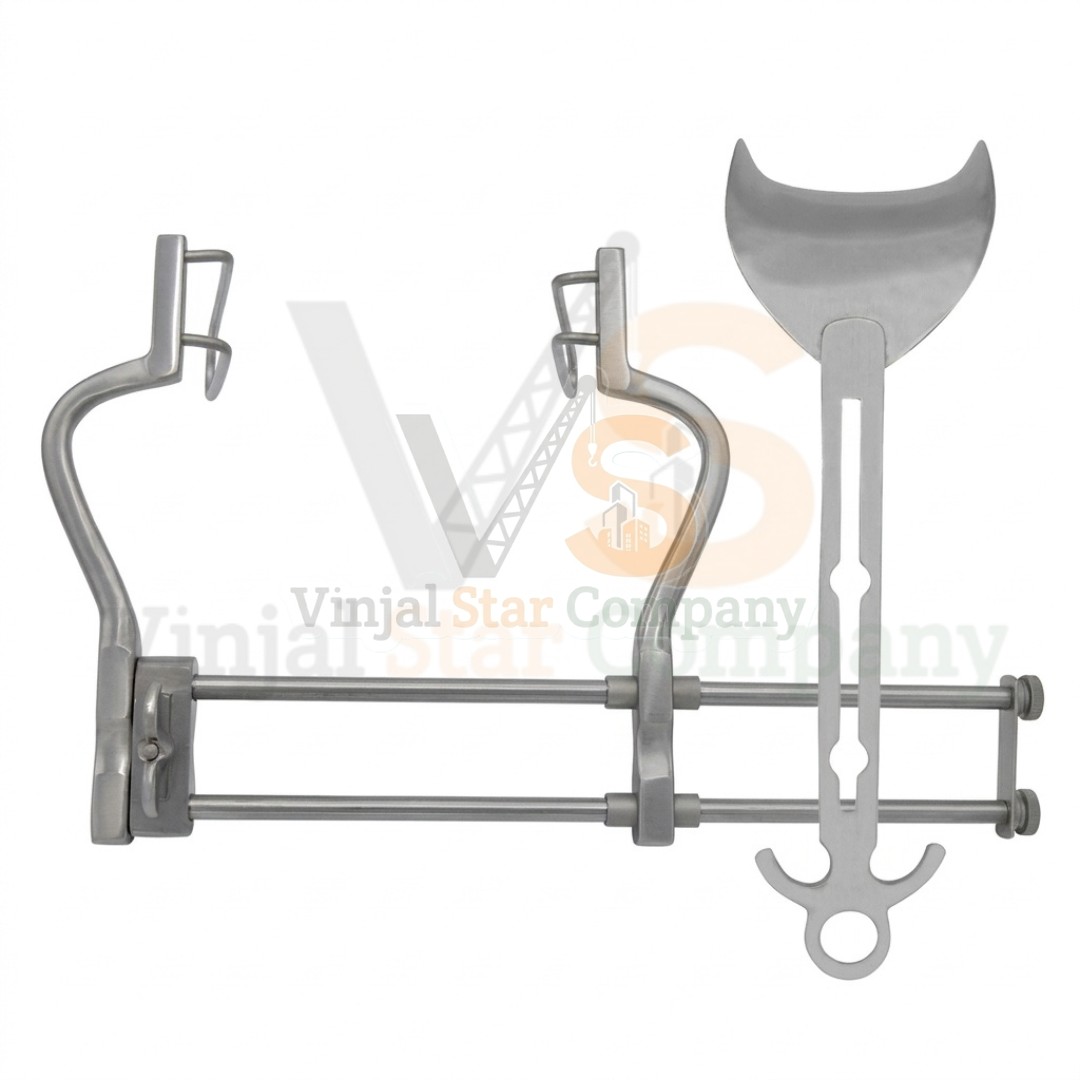
Self-retaining retractors lock open on their own, freeing the assistant’s hands. The Balfour retractor is the classic self-retaining abdominal retractor, with a frame and interchangeable blades that hold the incision open during laparotomy. The Weitlaner retractor is a smaller self-retaining design with finger rings, popular in orthopedic and spinal procedures.
Specialized Types of Surgical Instruments
Beyond the general types of surgical instruments above, whole instrument ecosystems exist for individual specialties:
- Orthopedic instruments — bone rongeurs, osteotomes, bone-holding forceps, depth gauges, Gigli saws, and curettes, built to cut, shape, and fix bone.
- Dental instruments — extraction forceps, elevators, explorers, and scalers designed for work inside the mouth.
- ENT instruments — fine forceps, specula, and micro scissors for ear, nose, and throat procedures.
Manufacturers in Sialkot, Pakistan — one of the world’s great surgical-instrument-making hubs — produce all of these families for export, which is why so many distributors source directly from the region.
Buying Tips for Distributors
If you are sourcing any of these types of surgical instruments wholesale, keep three things in mind: (1) confirm the steel grade and finish with your supplier, (2) ask for samples before placing bulk orders, and (3) check that packaging and labeling meet your market’s requirements. A reliable manufacturer will answer all three without hesitation.
Frequently Asked Questions
What are the 4 main types of surgical instruments?
The four main families are cutting instruments (scalpels, scissors), grasping instruments (forceps, needle holders), hemostatic instruments (Kelly and Crile forceps), and retractors (handheld and self-retaining). Specialized orthopedic, dental, and ENT instruments form additional families.
What is the difference between Mayo and Metzenbaum scissors?
Mayo scissors are heavier and used for dense tissue and suture material, while Metzenbaum scissors are finer, with longer shanks and shorter blades, designed for delicate tissue dissection.
What are Kelly forceps used for?
Kelly forceps are hemostatic clamps used to compress blood vessels and control bleeding during surgery. Their locking ratchet keeps the jaws closed without continuous hand pressure.
How should surgical instruments be stored?
Clean, dry, sterilized instruments should be stored in a dry environment, ideally in trays or pouches that protect the tips and joints from damage and moisture.
Work With Vinjal Star
Vinjal Star manufactures and exports the full range of surgical, dental, and orthopedic instruments from Sialkot, Pakistan — at true wholesale prices, with OEM and private-label options for distributors worldwide.
Contact us for a catalog and wholesale pricing: info@vinjalstar.com