
Blog
Top Surgical Instruments Manufacturers in Pakistan (Sialkot): 2026 Buyer’s Guide


When international buyers search for surgical instruments manufacturers in Pakistan, almost every road leads to one city: Sialkot. Tucked into the northeast of Punjab, this unassuming industrial city produces a remarkable share of the world’s surgical instruments — from everyday forceps and scissors to specialized orthopedic and dental tools. If you’re a distributor, hospital group, or private-label brand looking to source instruments at true manufacturer prices, understanding how Sialkot’s industry works is the first step to buying well.
This guide explains why Sialkot dominates the trade, what separates a reliable manufacturer from a risky one, the questions you should ask before placing an order, and how pricing, MOQs, and lead times typically work.
Why Sialkot Is the World’s Surgical Instruments Hub
Sialkot’s relationship with instrument-making goes back generations. What began as small family workshops producing metal goods evolved, over decades, into a dense manufacturing ecosystem: forging units, grinding and polishing shops, passivation plants, and export houses — all within a few square kilometers.
That concentration is exactly why surgical instruments manufacturers in Pakistan can offer prices that Western factories cannot match. The supply chain is local. A manufacturer doesn’t ship blanks across continents; the forging shop is often down the street. Skilled labor is abundant — instrument-making here is a craft passed from father to son, and an experienced grinder or finisher can shape a pair of forceps to tolerances that machines alone struggle to achieve.
Today, Sialkot exports instruments to the United States, Germany, the United Kingdom, France, Brazil, the Middle East, and dozens of other markets. Distributors in these countries buy both finished, ready-to-sell instruments and “OEM” (original equipment manufacturer) products that they brand and sell under their own labels.
What to Look for in a Manufacturer
Not all manufacturers are equal. When evaluating surgical instruments manufacturers in Pakistan, look past the brochure and check these five things:
1. Craftsmanship and Finishing Quality
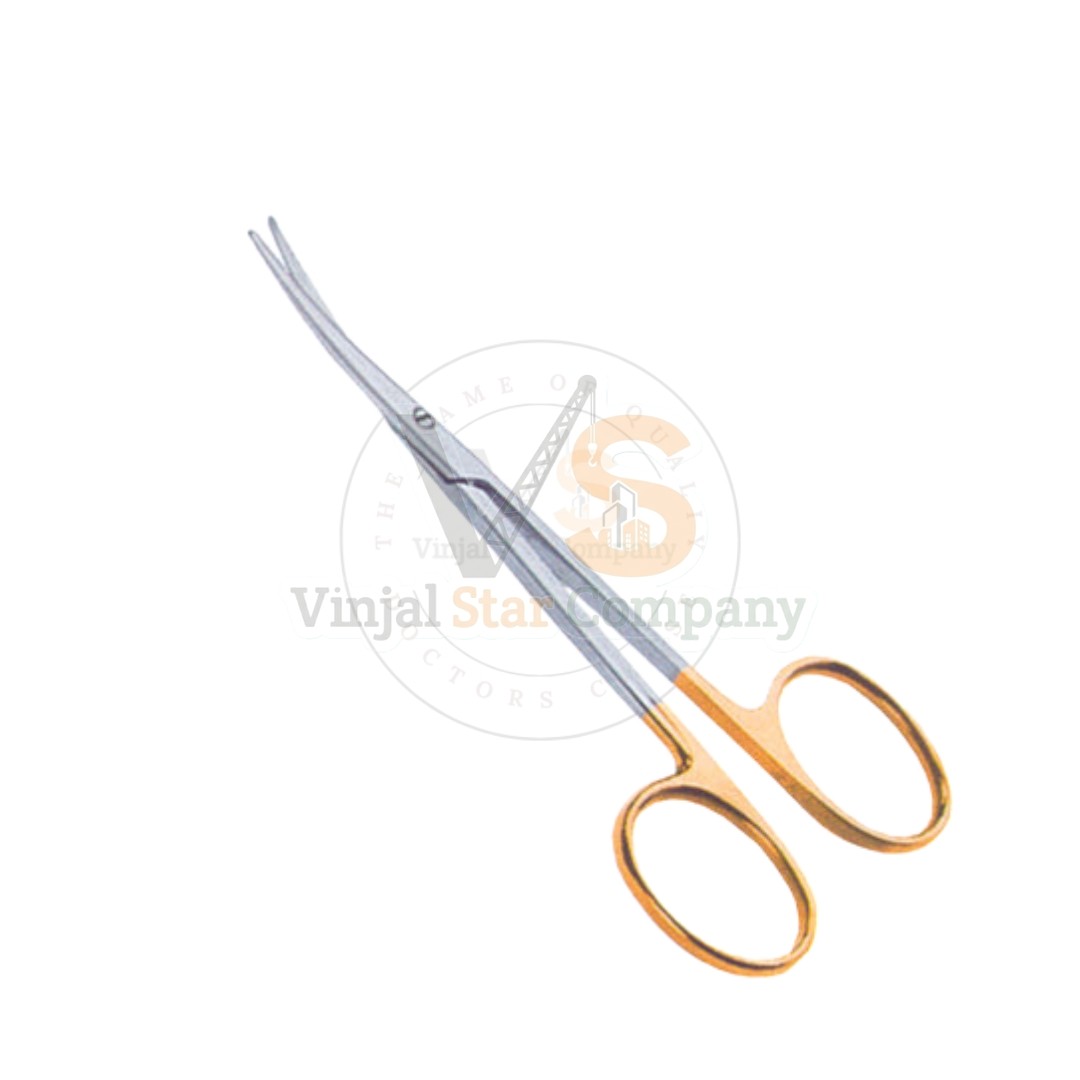
The difference between a good instrument and a mediocre one is in the details: the smoothness of the box lock, the alignment of the jaws, the consistency of the polish, and the sharpness of the cutting edges. Ask for samples before committing to a bulk order. A confident manufacturer will always agree — sampling is standard practice in Sialkot.
2. Materials and Workmanship Standards
Quality instruments are typically made from stainless steel grades suited to surgical use, with proper heat treatment for hardness and corrosion resistance. Ask what materials are used and how instruments are finished and passivated. Reputable surgical instruments manufacturers in Pakistan will answer these questions directly and in detail.
3. OEM and Private-Label Capability
If you sell under your own brand, OEM capability is essential. This means the manufacturer can etch your logo, use your packaging, and follow your specifications consistently across production runs. Ask to see examples of private-label work they have done (within confidentiality limits) and confirm they can handle custom requirements.

4. Export Experience
Manufacturing skill and export competence are two different things. A good export partner understands international shipping, documentation, and the communication standards that Western buyers expect — clear quotations, realistic lead times, and responsive follow-up. Ask how long they have been exporting and which markets they currently serve.
5. Range and Consistency
Distributors prefer suppliers who can cover a wide catalog — general surgery, orthopedic, dental, and specialty instruments — so they can consolidate orders. Just as important is consistency: the hundredth pair of scissors should match the first. Ask about quality checks during production, not just at the end.
Questions Buyers Should Ask Before Ordering
Use this checklist in your first serious conversation with any manufacturer:
- Can you send samples, and what do they cost? (Sample cost is often adjusted against your first bulk order.)
- What is your minimum order quantity (MOQ) per item?
- How do you handle custom specifications or drawings?
- What is your standard lead time for a bulk order?
- How is quality checked during production?
- Can you do private-label branding and custom packaging?
- What are your payment terms?
- Which markets do you currently export to?
Clear, specific answers to these questions are a strong sign you’re dealing with a professional operation. Vague or evasive answers are a red flag.
MOQ, Pricing, and Lead Times: What to Expect
Minimum order quantities in Sialkot are generally flexible compared to other manufacturing hubs. Many manufacturers accept modest per-item quantities, especially for standard instruments — which makes Sialkot attractive for mid-sized distributors testing a new supplier. Larger volumes naturally bring better per-unit pricing.
Pricing depends on the instrument’s complexity, material, finish, and order size. As a rule of thumb, buying directly from surgical instruments manufacturers in Pakistan typically costs a fraction of Western wholesale prices — that margin is precisely why distributors source here. Always compare quotations on a like-for-like basis: same specifications, same finish, same packaging.
Lead times for standard instruments usually run a few weeks from order confirmation, depending on quantity and how busy the production schedule is. Custom or complex instruments take longer. Build buffer time into your planning, and confirm the timeline in writing before you commit.
A Note on Choosing Your Partner
The cheapest quotation is rarely the best deal. An instrument that fails in the field costs far more than one priced slightly higher but made well. The strongest sourcing relationships in this industry are long-term: buyers who find a manufacturer with consistent quality, honest communication, and fair pricing tend to stay for years.
Vinjal Star is one of Sialkot’s surgical instrument manufacturers serving international buyers with wholesale and OEM production across surgical, dental, and orthopedic lines. Like any manufacturer on your shortlist, we encourage you to run through the checklist above with us — starting with samples.
Frequently Asked Questions
Why are so many surgical instruments made in Sialkot, Pakistan?
Sialkot has a generations-deep tradition of metalworking and instrument craftsmanship, combined with a complete local supply chain — forging, grinding, polishing, and finishing all happen within the city. This keeps costs low and quality control tight, which is why buyers worldwide source from surgical instruments manufacturers in Pakistan.
What is the typical MOQ when ordering from Pakistan?
It varies by manufacturer and instrument type, but Sialkot manufacturers are known for flexible minimums compared to other regions — often modest per-item quantities for standard instruments. Always confirm the MOQ for your specific items before ordering.
Can manufacturers in Pakistan do private-label/OEM production?
Yes — OEM and private-label work is one of Sialkot’s core strengths. Most established manufacturers can etch your logo, follow your specifications, and provide custom packaging for your brand.
How do I verify quality before placing a bulk order?
Always request samples first and evaluate them against your requirements: jaw alignment, finish, sharpness, and overall feel. A trustworthy manufacturer welcomes sample orders — it’s the industry-standard first step.
Get a Wholesale Quotation
If you’re evaluating surgical instruments manufacturers in Pakistan for your next order, we’d be glad to be on your shortlist. Contact Vinjal Star for wholesale pricing, OEM/private-label options, and samples:
Email: info@vinjalstar.com
Send us your instrument list or drawings, and we’ll respond with a detailed quotation and lead time.