

Blog
Orthopedic Instruments Manufacturers: Buyer’s Guide 2026

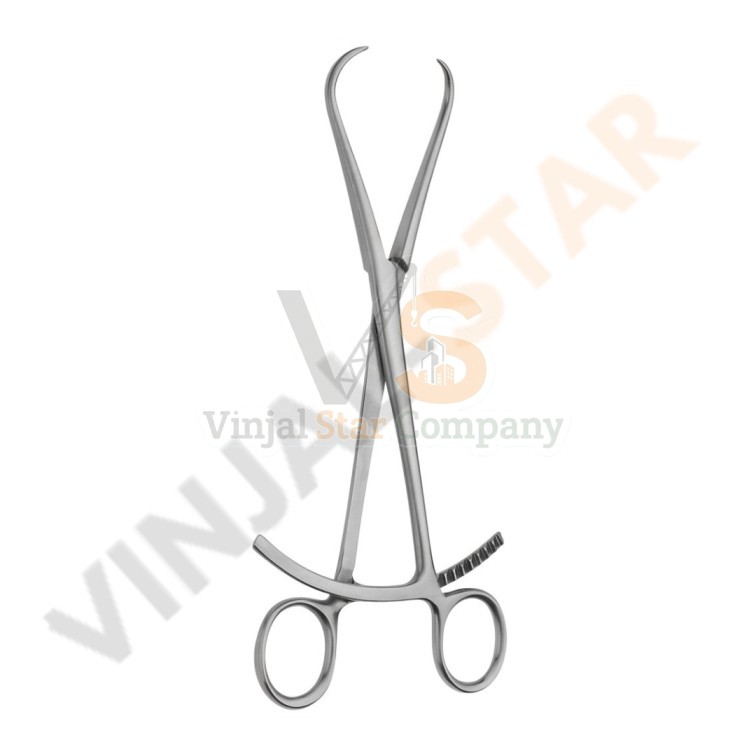
Orthopedic Instruments Manufacturers: Buyer’s Guide
Choosing the right orthopedic instruments manufacturer decides your product quality, your margins, and your reputation with customers. Orthopedic instruments take more force and precision than general surgical tools, so the factory behind them matters even more. This buyer’s guide shows distributors and hospitals how to evaluate orthopedic instruments manufacturers and pick a partner built for the long term.
Why the Manufacturer Matters More in Orthopedics
Orthopedic instruments endure higher mechanical stress than most surgical tools: biting bone, holding fragments under load, and surviving thousands of autoclave cycles. A manufacturer without real orthopedic experience may produce instruments that look right but flex, dull, or corrode in actual use. Buying from a specialist protects you from field failures that damage customer trust.
What to Look for in an Orthopedic Instruments Manufacturer
Material Quality and Craftsmanship
Ask what steel grades are used and how instruments are hardened, finished, and passivated. A serious manufacturer explains the process plainly: forging or machining, heat treatment, polishing steps, and final inspection. Vague answers about “premium quality” without specifics are a warning sign.
Range Depth
A strong manufacturer covers the full orthopedic spectrum: bone holding and reduction forceps, rongeurs, osteotomes, retractors, curettes, measuring instruments, and fixation tools. A deep range means one supplier for your whole catalog. See a full orthopedic range here.
OEM and Private-Label Capability
If you sell under your own brand, confirm the manufacturer offers laser marking or etching with your logo, custom packaging, and consistent branding across production runs.
Production Capacity and Lead Times
Can the factory handle your volume peaks? Get realistic lead times in writing: standard production, OEM orders, and repeat-order timelines.

Questions to Ask Before You Order
- What steel grade and hardness do you use for bone instruments?
- Can I visit the factory or see a video of production?
- Do you provide samples, and what do they cost?
- What is your MOQ per item and per order?
- How do you handle quality complaints or defective pieces?
- Can you match an existing pattern or drawing I supply?
Understanding Pricing and MOQs
Orthopedic instrument pricing reflects material, labor, and finishing complexity. Bone forceps and powered-compatible instruments cost more than simple retractors. MOQs are typically counted per item in dozens or hundreds of pieces. Tiered pricing rewards volume, so ask for the full tier table before negotiating. Start with a trial order, validate quality with your customers, then scale.

Red Flags When Choosing a Manufacturer
- Prices far below every competitor: corners are being cut, usually in steel or finishing.
- No samples: a confident factory wants you to test its work.
- Unverifiable address: you should be able to confirm the factory exists where claimed.
- Full payment upfront: standard terms are a deposit with balance on shipment or documents.
- Certification logos with no documents: claims are easy to print; ask for proof, not pictures.
Frequently Asked Questions
Where are most orthopedic hand instruments made?
Sialkot, Pakistan is the world’s largest production cluster for hand-held surgical and orthopedic instruments, supplying distributors across Europe, the USA, and beyond.
What is a typical MOQ for orthopedic instruments?
It varies by instrument, but many manufacturers start at 50 to 100 pieces per item for hand instruments, with flexibility for first-time trial orders.
Can manufacturers customize instruments to my drawings?
Many can. Provide clear drawings with dimensions, and confirm tooling costs, lead time, and who owns the design before production starts.
How do I verify a manufacturer’s quality before bulk ordering?
Order samples, test jaw alignment and cutting edges, run them through your autoclave cycle, and check consistency across multiple pieces. Never skip this step.
Do manufacturers offer private labeling?
Yes, most established manufacturers offer OEM service with your logo etched on instruments and custom packaging. Ask about OEM terms.
Choose a Partner, Not Just a Price
The cheapest quote rarely survives contact with the operating room. Evaluate orthopedic instruments manufacturers on materials, craftsmanship, range, communication, and proof, then build the relationship one reliable shipment at a time.
Vinjal Star manufactures surgical, dental, and orthopedic instruments in Sialkot, Pakistan, supplying distributors worldwide at wholesale prices, with OEM and private-label options. Contact us at info@vinjalstar.com for a wholesale price list and samples.