

Blog
Wholesale Surgical Instruments: How to Source Direct from Manufacturers

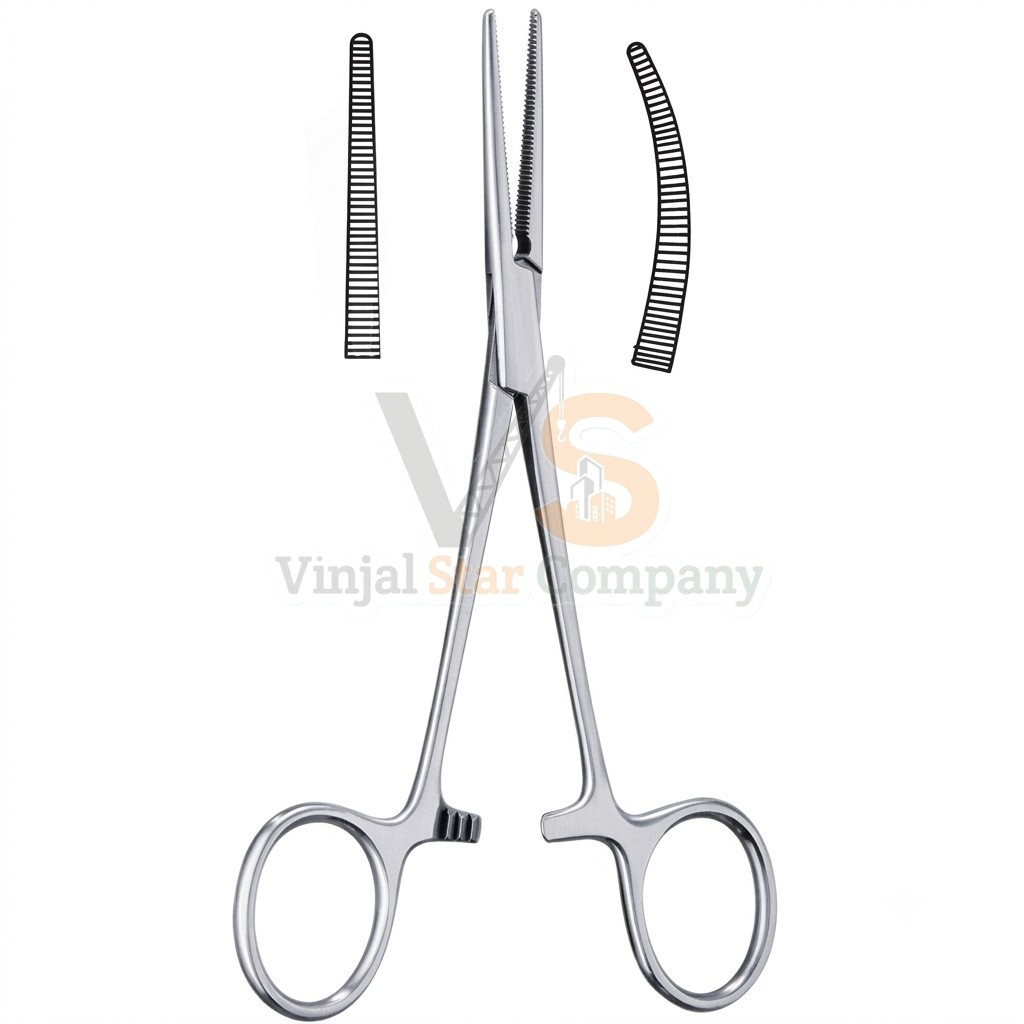
If you run a medical supply business, distribute to hospitals, or manage procurement for a clinic chain, you already know that instrument costs add up fast. Buying wholesale surgical instruments directly from manufacturers — instead of through layers of distributors and traders — is one of the most effective ways to cut costs while keeping quality under your control. But sourcing direct only works if you know how to find, vet, and work with the right manufacturing partner. This guide walks you through the whole process.
Why Buy Wholesale Surgical Instruments Direct from the Manufacturer?
Lower prices, fewer middlemen. Every intermediary between the factory and your warehouse adds a margin. When you buy wholesale surgical instruments straight from the source, you remove those markups — often cutting a significant share off what you would pay a regional distributor for the same grade of instrument.
Better quality control. Manufacturers who sell direct have a reputation to protect with every shipment. You can discuss raw materials, finishing standards, and packaging directly with the people making your instruments, instead of relying on a trader’s promises.
Customization and OEM options. Direct relationships unlock private-label branding, custom packaging, and even design tweaks — things middlemen rarely facilitate.
Faster, clearer communication. Questions about a delayed shipment or a specification change get answered by the production team, not relayed through two or three offices.
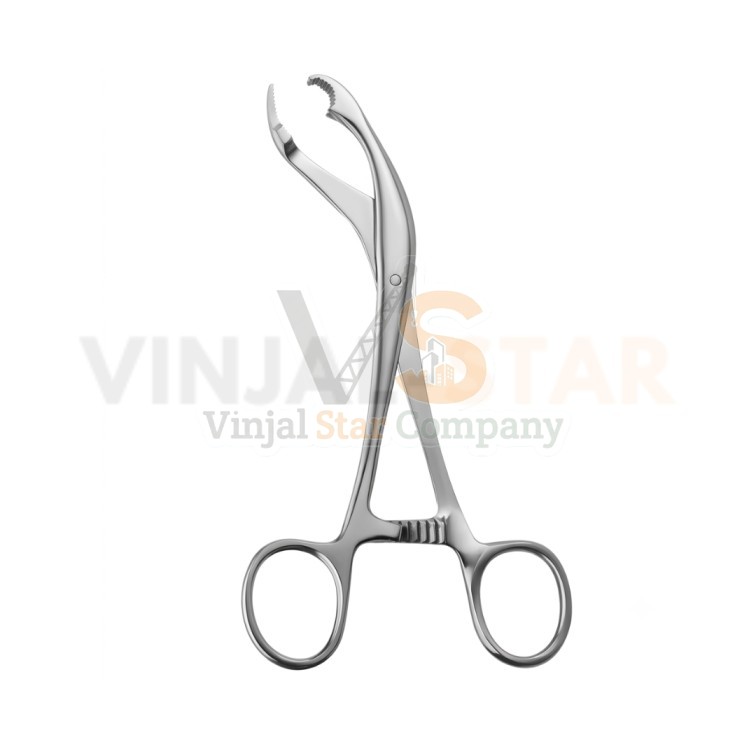
How to Vet a Wholesale Surgical Instruments Supplier
Price means nothing if the instruments fail in the operating room. Vetting is the most important step in the process.
Check Quality Before You Commit
Ask what grade of stainless steel is used and how instruments are finished and passivated. A serious manufacturer will explain their process plainly — hardening, polishing, and final inspection steps — and will not hide behind vague claims. Be cautious of any supplier that leans on certification logos without being able to show you the actual documents; claims are easy to print, proof is not.
Always Order Samples First
Never place a bulk order without testing samples. Check the jaw alignment of forceps, the cutting action of scissors, the lock on needle holders, and the overall finish. Put samples through your own sterilization cycle — autoclaving reveals poor-grade steel and bad finishing faster than anything else.
Judge Communication and Responsiveness
Slow, vague replies during the quoting stage predict slow, vague replies when a shipment goes wrong. A reliable wholesale partner answers technical questions directly, provides clear quotations with specifications, and is upfront about lead times.
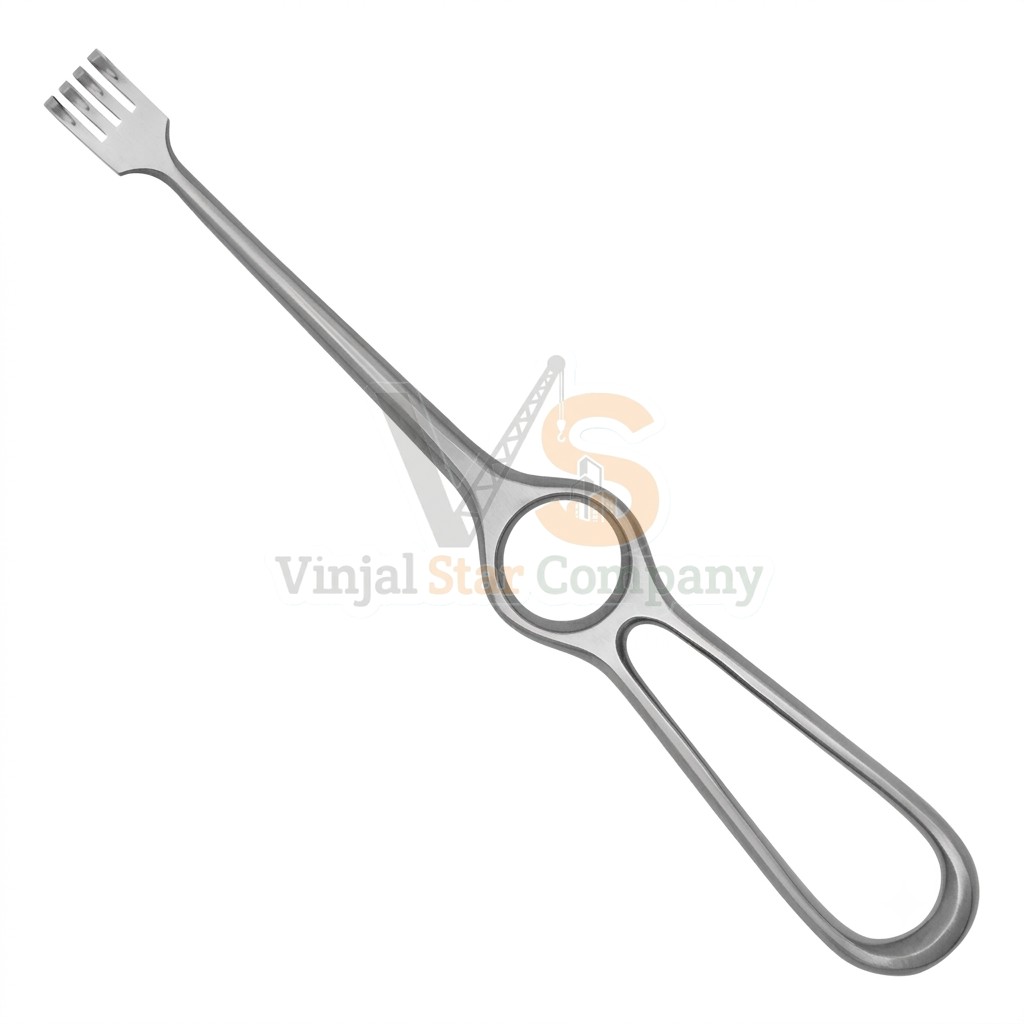
Understanding MOQ and Tiered Pricing for Wholesale Surgical Instruments
Minimum order quantity (MOQ) is simply the smallest order a manufacturer will produce economically. For hand instruments like forceps and scissors, MOQs are often counted in dozens or hundreds of pieces per item; for larger sets, it may be a small number of complete kits.
Tiered pricing rewards volume: the per-unit price drops as your order grows. A smart approach is to start with a trial order at the base tier, validate quality with your customers, then scale into higher tiers for better margins. Always get tiered pricing in writing before you commit — and confirm whether the tiers apply per item or across your total order.
OEM and Private-Label Options
One of the biggest advantages of sourcing wholesale surgical instruments direct is OEM (original equipment manufacturing) and private-label service. Instead of selling someone else’s brand, you can have instruments laser-marked or etched with your own logo, packed in your branded boxes, and shipped ready for your market.
When discussing OEM, clarify: whose logo goes on the instrument, what packaging is included, whether instructions-for-use inserts are provided, and who owns the design of any custom tooling. Get these details in the quotation — not after the deposit is paid.
Red Flags to Watch Out For
- Prices far below market. If a quote is dramatically cheaper than every other manufacturer, something is being cut — usually steel grade or finishing.
- No samples offered. A factory confident in its work wants you to test it.
- Vague specifications. “High quality steel” without a grade, “standard size” without dimensions — walk away.
- Full payment upfront. Standard practice is a deposit with the balance on shipment or against documents — never 100% in advance to an unknown supplier.
- No verifiable address or factory presence. You should be able to confirm the manufacturer actually exists where they claim to operate.
A Simple Step-by-Step Sourcing Process
- Shortlist 3–5 manufacturers in established production hubs (Sialkot, Pakistan is the world’s largest cluster for hand-held surgical instruments).
- Request quotations with exact specifications — instrument name, size, material, finish, quantity, and packaging.
- Order samples from your top two or three candidates and test them thoroughly.
- Negotiate terms: confirm MOQ, tiered pricing, lead time, payment terms, and OEM details in writing.
- Place a trial order — modest volume to validate consistency across a production run.
- Inspect on arrival, give feedback, and scale up with the partner that performs.
Frequently Asked Questions
What is a typical MOQ for wholesale surgical instruments?
It varies by instrument and manufacturer. Simple hand instruments often start at 50–100 pieces per item, while instrument sets may start at 10–25 kits. Always ask — many manufacturers are flexible for first-time buyers placing trial orders.
How long does production and delivery take?
Standard instruments typically need 2–4 weeks for production plus shipping time, which depends on your location and whether you choose air or sea freight. Custom or OEM orders can take longer. Confirm lead times in writing before paying a deposit.
Can I get my own branding on wholesale instruments?
Yes. Most direct manufacturers offer OEM and private-label service — your logo etched on the instruments and custom packaging. Confirm exactly what branding is included in the quoted price.
Is it safe to buy surgical instruments from overseas manufacturers?
Yes, provided you vet properly: verify the company’s existence, test samples through your sterilization process, start with a trial order, and use secure payment terms. Thousands of distributors worldwide source this way every day.
Get Wholesale Pricing from a Direct Manufacturer
Sourcing wholesale surgical instruments direct from the manufacturer gives you better prices, real quality control, and branding options that middlemen cannot match. The key is vetting carefully, starting with samples, and building the relationship one reliable shipment at a time.
Vinjal Star manufactures surgical, dental, and orthopedic instruments in Sialkot, Pakistan, and supplies distributors worldwide at wholesale prices — with OEM and private-label options available. Contact us for a wholesale price list and samples: info@vinjalstar.com.